 Jay Gajjar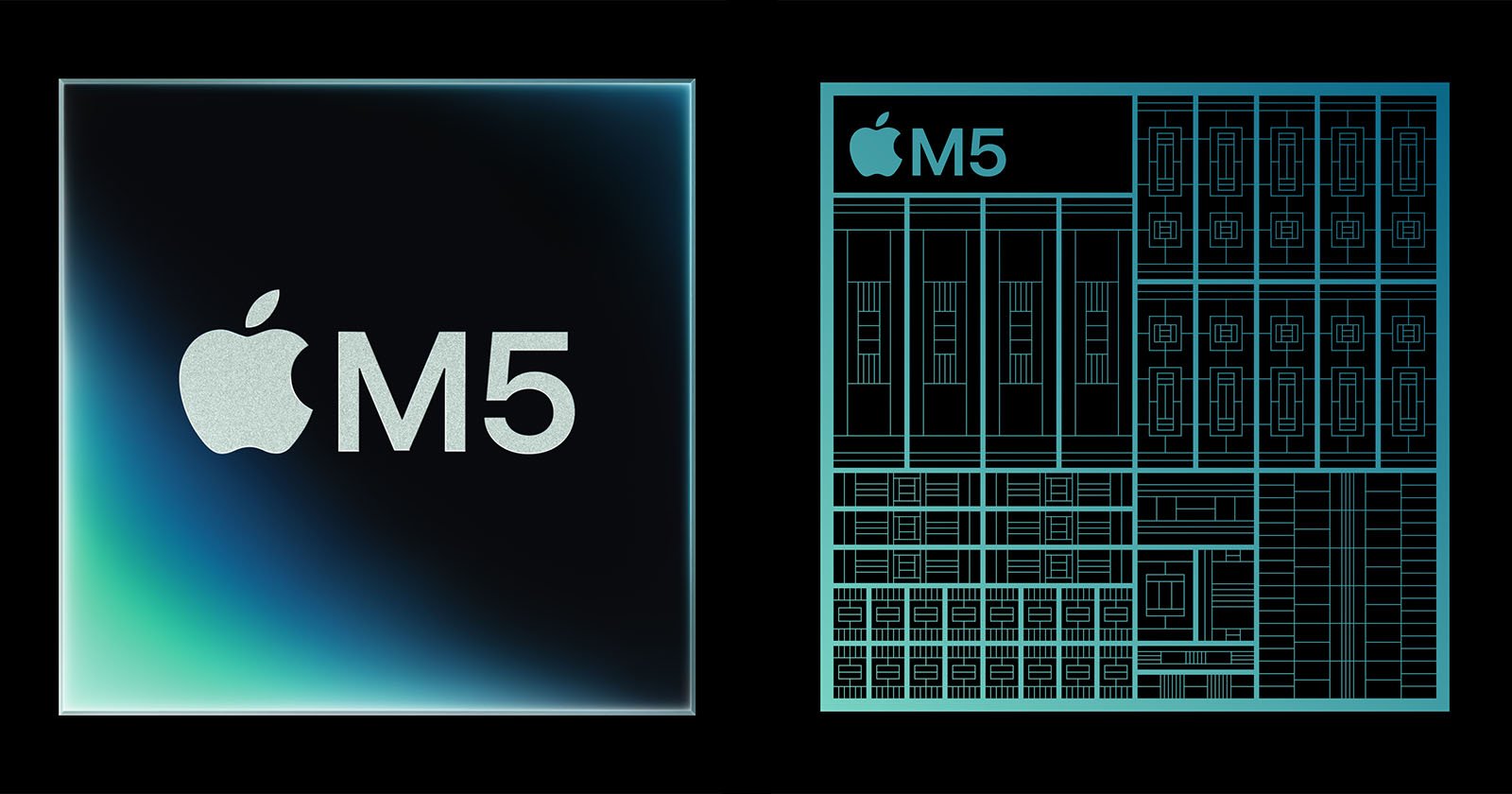
Apple has officially unveiled its new M5 chip, the latest and most advanced addition to the Apple Silicon lineup. Designed to deliver exceptional AI performance and power efficiency, the M5 chip is already being hailed as the most intelligent processor Apple has ever built. With a focus on next-generation machine learning and creative workloads, the Apple M5 chip marks a major step forward in Apple’s vision for integrating artificial intelligence deeply across its devices.
Apple M5: Redefining Performance and Intelligence
At the heart of Apple’s new hardware generation, the M5 chip features groundbreaking improvements in processing speed, neural computation, and energy efficiency. Compared to the M4, the Apple M5 vs M4 benchmarks show a nearly 30% improvement in CPU performance and up to 50% faster Neural Engine operations, setting new records in AI-driven tasks such as image generation, language modeling, and creative editing.
Apple claims the new Neural Engine can handle up to 60 trillion operations per second, enabling real-time AI workflows for professional users. Whether it’s generating lifelike visuals in Final Cut Pro, refining complex photos in Photoshop, or translating languages instantly, the M5 is optimized for modern AI applications.
The M5 chip also supports Apple’s custom ML frameworks, including Core ML and Apple Intelligence, which bring personalized AI features like writing suggestions, real-time translation, and contextual photo editing directly onto devices without relying on the cloud. This aligns with Apple’s ongoing commitment to privacy-focused AI, where processing happens securely on-device.

Latest Apple Chip Fuels Creativity and Innovation
The M5 chip is built on a 3-nanometer process, improving power efficiency while maintaining peak performance for extended use. This makes it ideal for both creative professionals and students using AI-powered tools for design, video editing, and coding. Apple has also redesigned its GPU architecture, introducing hardware-based ray tracing and dynamic memory scaling, which significantly boosts performance for gaming and 3D rendering.
When comparing Apple M5 vs M4, users will notice better thermal management, longer battery life, and faster multitasking capabilities across MacBooks, iPads, and upcoming desktop systems. The chip’s architecture also integrates advanced AI acceleration, paving the way for smarter macOS and iPadOS features that adapt to user behavior.
The latest Apple M5 chip isn’t just an incremental update, it’s a bold statement about the company’s future in artificial intelligence. By embedding AI at the hardware level, Apple continues to differentiate its ecosystem from competitors, focusing on seamless performance, creativity, and privacy.
As Apple CEO Tim Cook stated during the launch, the M5 represents “the future of personal intelligence,” bringing professional-grade AI capabilities to everyday users. With this launch, Apple solidifies its position not only in consumer tech but also in the rapidly expanding world of AI innovation.
Follow AI Times for the latest AI news, AI blogs, and updates on Apple AI innovations, as well as in-depth coverage of the latest Apple news shaping the future of intelligent computing.